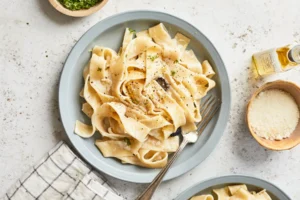
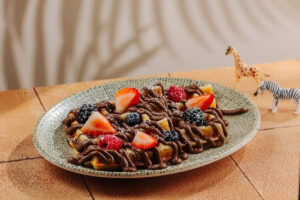
Food is more than just something we eat. It is an experience that begins the moment a dish reaches the table. Food presentation plays an important role in shaping expectations, creating anticipation, and making a meal feel memorable. From the arrangement of ingredients to the balance of colors, textures, and portions, thoughtful food plating and presentation can turn an ordinary dish into something that immediately catches the eye.
At BohoX, every dish is designed to complement the restaurant’s creative atmosphere and modern approach to dining. Whether you are looking for inspiration for a creative food presentation or simply curious about how presentation influences the way we taste, understanding the connection between sight and flavor offers a fresh perspective on the dining experience.
In this guide, we explore why we truly taste with our eyes first and share food presentation ideas that show how visual details can make every meal more inviting.
Why Food Presentation Matters
We often begin experiencing a dish before taking the first bite. The colors, arrangement, textures, and overall appearance of food create an immediate visual impression that can shape our expectations of how the meal will taste. This is why food presentation is such an important part of the dining experience, whether you are enjoying a casual meal or exploring a carefully curated menu.
How Visual Appearance Creates a First Impression
A well-presented dish can instantly attract attention and build anticipation. The way ingredients are arranged, the choice of plate, and the balance between different components can make a meal look more inviting. Just as presentation influences how a dish is perceived in a restaurant, thoughtful healthy food presentation can make nutritious ingredients look more appealing and encourage a more enjoyable approach to wholesome eating.
Why Color, Shape, and Texture Affect Appetite
Our eyes naturally respond to visual contrast, vibrant colors, and interesting textures. Fresh greens, colorful vegetables, carefully arranged proteins, and contrasting sauces can make a dish appear more flavorful and appetizing. Shape and placement also matter, as a balanced arrangement can make individual ingredients easier to appreciate before tasting them.
How Plating Influences Expectations of Taste and Quality
Presentation can set expectations before the first bite. A thoughtfully plated dish may suggest freshness, care, creativity, and attention to detail. This becomes especially noticeable in fine dining food presentation, where chefs often use composition, portioning, color, texture, and elegant finishing touches to create a more refined experience around the food.
Presentation and the Overall Dining Experience
A great food presentation is not simply about making a dish look attractive. It helps connect the visual experience with aroma, texture, flavor, and atmosphere. When the appearance of a dish complements its taste and the restaurant’s setting, the meal can feel more memorable and complete. At BohoX, this connection between food, creativity, and atmosphere helps turn a meal into an experience that begins with the eyes and continues with every bite.
The visual appeal of a dish can be especially inviting when you are choosing where to enjoy your first meal of the day. If you are looking for a memorable morning dining experience, explore our guide to finding a great breakfast spot in Dubai and discover what can make a breakfast destination worth visiting.
The Psychology of Food Presentation
The way a dish looks can influence how we feel about it before we even take the first bite. Our brains naturally respond to colors, shapes, patterns, textures, and the arrangement of ingredients, creating expectations about freshness, flavor, and quality. A thoughtfully arranged plate can build curiosity and anticipation, making the dining experience more engaging from the moment the dish arrives at the table.
- Color psychology: Vibrant and complementary colors can make a dish look fresher, more appetizing, and visually appealing, while softer tones can create a sense of elegance and simplicity.
- Visual contrast: Placing contrasting colors, shapes, or ingredients next to each other helps individual elements stand out and gives the plate greater visual interest.
- Portion perception: The size of the plate and the way food is arranged can influence how generous or refined a portion appears, even when the actual quantity remains the same.
- Symmetry and balance: A balanced arrangement can make a dish feel more organized and harmonious, while intentional asymmetry can create a sense of creativity and movement.
- Texture and visual cues: Crispy, creamy, smooth, flaky, and fresh ingredients each create different visual expectations and can encourage diners to imagine how the food will feel and taste.
- Anticipation and perceived flavor: When a dish looks carefully prepared and appealing, it can heighten anticipation and influence how enjoyable the first taste feels. For example, a plate featuring colorful vegetables, a beautifully arranged main ingredient, and contrasting sauces can appear fresher and more flavorful before the first bite.
The experience of food goes beyond what we see on the plate. Familiar flavors, aromas, textures, and memories can also shape how comforting and enjoyable a meal feels. If you are curious about why certain breakfast dishes create such a strong emotional connection, explore our guide to the science behind comfort breakfast foods
What Research Says About Visual Food Perception
Research shows that visual food perception can influence how people expect food to taste, how much they think they are being served, and how much they enjoy a dish.
Studies have found that attractive food presentation can increase liking for the same meal, while plating style can influence perceived portion size and overall appeal. Research has also shown that plate color can affect expectations of flavor, sweetness, and intensity.
This suggests that presentation does not change the ingredients themselves, but it can shape expectations and influence the overall dining experience.
The Elements of Food Plating and Presentation
Great plating is about creating balance between the ingredients while making the dish visually inviting. Every element on the plate has a purpose, from the colors and textures to the positioning of the main components. Understanding these fundamentals can help chefs and home cooks develop thoughtful food plating and presentation techniques that make a meal more appealing before the first bite.
Color
Color is one of the first things diners notice. Combining vibrant ingredients with complementary or contrasting shades can make a dish look fresh and appetizing. Fresh vegetables, herbs, sauces, and colorful garnishes can add visual variety while reflecting the ingredients used in the dish.
Composition
The arrangement of ingredients determines how the eye moves across the plate. The main component should generally have a clear visual focus, while accompanying ingredients should support rather than compete with it. A well-considered composition can make even a simple dish feel intentional and refined.
Texture
Visually contrasting textures add depth and interest to a plate. Combining crisp elements with creamy sauces, tender ingredients, or delicate garnishes can create a more dynamic presentation while giving diners clues about what to expect when they take their first bite.
Height
Adding subtle height can give a dish greater dimension and make individual components more noticeable. Layering ingredients or carefully positioning elements can create a sense of movement without making the plate feel unnecessarily complicated.
Negative Space
Leaving some areas of the plate open can help the main ingredients stand out. Negative space prevents the presentation from looking overcrowded and allows each component to have its own visual presence. Sometimes, simplicity can have a greater impact than filling every part of the plate.
Garnishes
A garnish should complement the dish rather than simply act as decoration. Fresh herbs, edible flowers, sauces, or small finishing touches can introduce color, texture, and flavor while completing the overall presentation.
When these elements work together, they can transform the appearance of a dish without compromising its purpose or flavor. Whether you are plating a simple breakfast at home or looking for inspiration from restaurant dishes, these principles provide plenty of food presentation ideas for creating plates that look as inviting as they taste.
Experience Thoughtful Presentation at BohoX
At BohoX, presentation is part of creating an enjoyable dining experience, with thoughtfully arranged dishes designed to complement the restaurant’s stylish setting. If you are looking for a breakfast that brings together appealing presentation, quality ingredients, and a memorable atmosphere, discover why BohoX is a destination for the best breakfast in Dubai
Creative Food Presentation Ideas to Inspire You
- Build around a focal point: Place the main ingredient where it naturally draws attention, then arrange supporting elements around it without overwhelming the plate.
- Experiment with color: Combine ingredients with different natural colors to create contrast and make the dish look fresh and inviting.
- Play with height: Stack, layer, or lean ingredients carefully to introduce dimension and make the plate more dynamic.
- Create texture contrast: Pair crispy ingredients with smooth sauces, creamy components with fresh elements, or soft foods with crunchy toppings.
- Use sauces creatively: Drizzle, dot, or brush sauces across the plate to add visual movement while complementing the flavors.
- Try unconventional serving dishes: Bowls, wooden boards, textured plates, and other serving pieces can change how a dish is perceived.
- Keep garnishes purposeful: Fresh herbs, edible flowers, citrus zest, or other finishing touches can add color and character when they complement the dish.
- Embrace simplicity: Avoid overcrowding the plate. Leaving some open space can make the main ingredients look more prominent and refined.
- Think about the dining occasion: A relaxed breakfast, celebratory meal, or elegant dinner can each inspire a different approach to arranging and serving food.
- Make it memorable: Look for small details that give the dish personality while ensuring the presentation remains practical and connected to the food itself.
Does Food Presentation Affect How Food Tastes?
Food presentation can influence how we perceive taste by shaping our expectations before the first bite. A thoughtfully arranged dish can create anticipation, making us expect certain flavors, textures, and levels of quality. While presentation does not change the ingredients themselves, the visual experience can affect how enjoyable and satisfying the food feels, showing that what we see can play an important role in how we experience what we eat.
The experience becomes even more enjoyable when beautiful food is paired with an inviting setting and a memorable view. If you are planning your next morning outing, explore a food lover’s guide to the best breakfast in Dubai with a view for more inspiration on where great food and atmosphere come together.
How BohoX Makes Food Part of the Experience
At BohoX, food is designed to be enjoyed through more than just flavor. Thoughtful plating, vibrant ingredients, and carefully arranged dishes contribute to an inviting dining experience, reflecting the attention to detail associated with fine dining food presentation. At the same time, fresh and thoughtfully selected ingredients can support an approach to healthy food presentation, showing that nutritious choices can be just as visually appealing as they are enjoyable to eat.
If you’re ready to experience thoughtfully presented dishes in a stylish setting, visit BohoX and discover how great food, creativity, and atmosphere come together. Contact us to plan your next dining experience.